
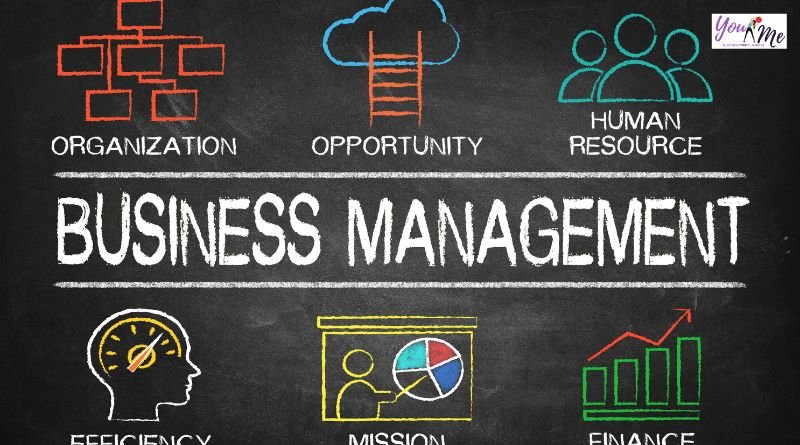
In today’s fast-changing business environment, effective management is no longer limited to assigning tasks and supervising employees. Whether you are a startup founder, a team leader, or a seasoned executive, understanding strong management principles can help you reduce operational risks, improve team productivity, and build long-term business success. This article provides practical and easy-to-follow management tips ftasiastock strategies, along with proven frameworks, a useful comparison table, and actionable advice to help you make better decisions and lead your organization with confidence.
What is Management Tips FTAsiaStock?
Management tips ftasiastock refers to a modern management philosophy that combines strategic planning, data-driven decision-making, and people-focused leadership into one practical framework. It involves:
- Setting clear and measurable goals
- Making decisions backed by real data
- Building strong team accountability
- Improving communication across departments
- Embracing adaptability and continuous improvement
- Leveraging technology for better efficiency
Good management ensures that your teams remain productive and your business stays competitive even during uncertain market conditions.
Why Management Tips FTAsiaStock Matters for Business Success
Without proper management, even talented teams can deliver inconsistent results. Strong management helps you:
- Minimize confusion and operational waste
- Maximize team productivity and engagement
- Stay focused on strategic priorities
- Respond faster to market changes and disruptions
- Build a culture of trust and accountability
- Maintain sustainable long-term growth
In simple words, management is the backbone of every successful organization. The management tips ftasiastock approach recognizes that leaders must balance people, processes, and performance together to achieve meaningful results.
Top Management Tips FTAsiaStock Strategies
Below are the most effective and practical tips you can use to strengthen your leadership and improve business performance.
Set Clear and Measurable Goals
One of the most important rules in management is goal clarity.
Do not operate with vague objectives. Instead:
- Define specific outcomes with deadlines
- Break long-term goals into smaller milestones
- Use the SMART framework to structure every goal
- Ensure each team member knows their individual targets
Vague goals like “improve sales” fail to motivate. A clear goal like “increase monthly subscription revenue by twelve percent within the next quarter” gives teams direction and purpose. When goals are measurable, tracking progress and maintaining accountability becomes far easier.
Make Data-Driven Decisions
Management tips ftasiastock places heavy emphasis on using data instead of guesswork. Always base your decisions on:
- Sales velocity and conversion rates
- Customer acquisition cost and churn rate
- Employee productivity and task completion metrics
- Market trends and competitor benchmarks
- Customer satisfaction scores and feedback patterns
Knowledge helps you make informed decisions instead of emotional ones. If a marketing campaign is underperforming, data helps you understand why so you can fix the issue instead of wasting time and money on guesswork.
Build a Strong Accountability System
Accountability is what separates high-performing teams from groups that deliver excuses. Key techniques include:
- Documenting clear performance expectations for every role
- Establishing regular feedback loops through weekly check-ins
- Tying consequences directly to measurable outcomes
- Defining decision rights before any project begins
- Assigning one clear owner for every important deliverable
Never assume people know what is expected of them. Spell it out clearly with specific metrics, baselines, targets, and timelines.
Strengthen Communication Across Teams
Poor communication quietly causes more operational failures than most managers realize. Improve it by:
- Establishing clear communication protocols for urgent, routine, and strategic matters
- Using collaboration tools like Slack, Teams, Asana, or Trello
- Practicing concise and direct messaging
- Encouraging two-way communication where employees feel safe sharing honest feedback
- Reducing unnecessary meetings and replacing them with asynchronous updates
Simple and direct communication reduces confusion and improves efficiency across every department.
Focus on Long-Term Strategic Planning
Short-term thinking creates instability. Instead:
- Build strategic plans that look at least one to three years ahead
- Evaluate market conditions, internal performance, and emerging trends regularly
- Prepare contingency plans for unexpected disruptions
- Set quarterly milestones and review progress consistently
Organizations that plan ahead adapt faster than competitors during periods of uncertainty. Long-term planning provides the stability needed for sustainable growth.
Keep Emotions Out of Decision-Making
Emotional decision-making is one of the biggest reasons for leadership failures.
Avoid:
- Panic-driven restructuring during temporary setbacks
- Favoritism when assigning responsibilities or promotions
- Reactive decisions made without reviewing available data
- Overreacting to short-term performance dips
Instead, rely on frameworks, data, and strategy rather than emotions or pressure.
Invest in Team Development
A business is only as strong as its people. Build your team by:
- Organizing regular training sessions and workshops
- Creating mentorship programs that pair experienced employees with newcomers
- Encouraging skill-building and professional growth
- Recognizing individual contributions and celebrating team achievements
- Providing growth opportunities that boost morale and retention
Teams that continuously update their skills outperform stagnant teams every time, regardless of experience level.
Leverage Technology and Automation
Technology can significantly improve efficiency and reduce manual workload. Consider using:
- Project management platforms for task tracking and deadline management
- Real-time data dashboards for monitoring performance metrics
- Automated reporting tools that eliminate repetitive data entry
- Communication platforms that centralize team conversations
- Digital workflow systems that standardize processes across departments
These tools reduce manual work and help teams stay organized and aligned.
Regularly Review and Adjust Your Strategy
Your management approach should never remain static after implementation.
Make it a habit to:
- Review team performance on a weekly and monthly basis
- Identify underperforming areas and address root causes
- Rebalance priorities based on changing market conditions
- Gather team feedback and incorporate practical suggestions
- Celebrate small wins to maintain motivation and morale
Commit to Continuous Learning
The business world is always evolving. Stay ahead by:
- Reading industry publications and leadership resources
- Following thought leaders in your field
- Attending conferences, webinars, and professional development events
- Encouraging a culture of learning throughout your organization
Continuous learning improves decision-making skills and keeps your management approach relevant and effective.
Management Tips FTAsiaStock Strategy Comparison Table
Below is a simple comparison table to help you understand effective versus ineffective management practices:
| Management Area | Effective Strategy | Ineffective Strategy |
|---|---|---|
| Goal Setting | Specific, measurable targets with deadlines | Vague objectives without clear direction |
| Decision Making | Data-driven analysis and benchmarking | Gut feelings and assumptions |
| Accountability | Defined roles, owners, and regular feedback | No clear ownership or follow-up |
| Communication | Direct, concise, and two-way channels | Scattered emails and excessive meetings |
| Team Development | Regular training and mentorship programs | No investment in employee growth |
| Technology Use | Automation and project management tools | Manual processes and spreadsheets |
| Strategic Planning | Long-term vision with quarterly reviews | Reactive, short-term thinking only |
| Adaptability | Flexible frameworks with continuous improvement | Rigid plans that ignore market changes |
Common Mistakes to Avoid
Many managers struggle not because they lack effort but because they follow ineffective habits such as:
- Setting vague goals without measurable outcomes
- Ignoring data and relying solely on intuition
- Micromanaging instead of building systems of accountability
- Communicating poorly or infrequently with team members
- Failing to invest in employee training and development
- Resisting change and sticking to outdated methods
- Trying to implement too many changes at once instead of building gradually
Avoiding these mistakes can significantly improve your success rate as a leader.
Advanced Tips for Better Results
If you want to go beyond basic management, consider these advanced strategies inspired by management tips ftasiastock principles:
- Use decision priority matrices to categorize tasks by impact and urgency
- Study competitor strategies and industry benchmarks regularly
- Track leading indicators rather than only lagging indicators
- Maintain a management journal to document lessons learned
- Build scalable systems with documented procedures and digital dashboards
- Implement one percent weekly improvements that compound into significant annual progress
These methods can give you a clear edge in competitive and fast-moving business environments.
Pros and Cons of the FTAsiaStock Management Approach
Pros
- Provides a structured and repeatable framework that reduces confusion
- Emphasizes data-driven decisions that minimize risk and guesswork
- Encourages proactive leadership rather than reactive problem-solving
- Strengthens accountability through clearly defined roles and metrics
- Supports adaptability so organizations can pivot quickly when needed
- Improves employee engagement through better communication and recognition
- Scales effectively across different industries and team sizes
Cons
- Requires consistent discipline and follow-through from leadership
- Initial setup demands time to define metrics, systems, and workflows
- Over-reliance on data without human judgment can miss important context
- May feel overly structured for very small or highly creative teams
- Continuous improvement cycles require regular time investment for reviews
- Teams unfamiliar with accountability frameworks may initially resist change
Frequently Asked Questions
What exactly is management tips ftasiastock?
It is a modern management framework that combines goal-setting, data analysis, accountability, communication, and adaptability into a practical system designed for fast-paced business environments.
Is this approach only for large companies?
No. The principles work equally well for startups, small businesses, growing agencies, and large enterprises. Smaller teams can start with simple tools and a focused set of metrics.
How quickly can managers see results?
Many leaders notice improvements in team clarity and communication within the first few weeks. Measurable productivity gains typically appear within one to three months of consistent application.
What tools are recommended for this framework?
Popular options include Trello, Asana, Monday.com, Slack, Microsoft Teams, and Notion for project management and communication. For data tracking, spreadsheets or dedicated dashboards work well.
Can this be combined with other management methodologies?
Yes. The framework is flexible and complements approaches like Agile, Lean, and OKRs. Leaders can integrate its principles into their existing systems.
What is the biggest mistake managers make when applying these strategies?
The most common mistake is trying to implement everything at once. A more effective approach is starting with one or two core areas and expanding gradually.
How does this approach work for remote teams?
It is particularly well suited for distributed teams because it emphasizes clear documentation, asynchronous communication, and transparent performance tracking.
Final Thoughts
Effective management tips ftasiastock is not about luck or natural talent. It is about discipline, planning, and continuous improvement. If you apply the strategies discussed in this article, you can significantly improve your leadership effectiveness and business outcomes.
Remember:
- Stay disciplined and consistent
- Manage with data, not emotions
- Focus on long-term goals and sustainable growth
- Invest in your people and their development
- Keep learning and adapting to new challenges
Success in management comes to those who build smart systems and lead with clarity, not those who rush decisions or rely on outdated methods.