
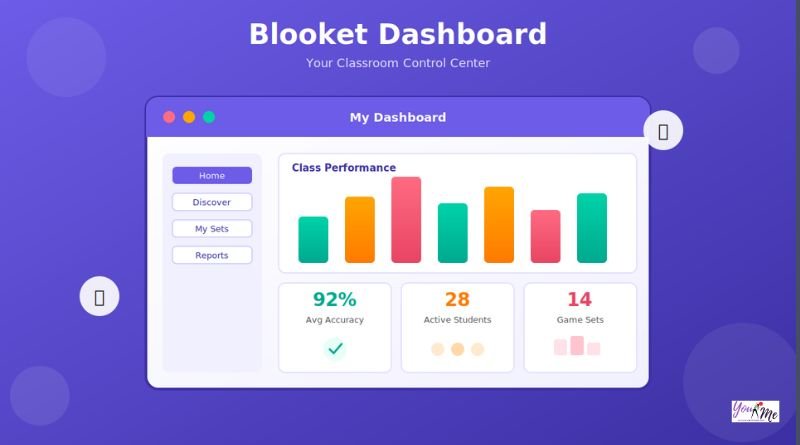
If you’re a teacher or a Blooket host trying to make sense of the platform’s back-end tools, understanding the blooket dashboard is essential to running smooth, engaging classroom games. The blooket dashboard is where all the magic happens behind the scenes, giving educators full control over game creation, student data, reports, and overall class performance tracking. Whether you’re new to Blooket or you’ve been using it for a while, learning how to navigate this dashboard properly can save you time and make your teaching sessions far more productive.
What Is the Blooket Dashboard?
The blooket dashboard is essentially the control center for any Blooket account. Once you log in, this is the main hub where you can create question sets, host live games, view past game reports, and manage your classes. It’s designed to be simple and intuitive, even for teachers who aren’t particularly tech-savvy. The layout typically includes sections for your saved sets, recent activity, reports, and account settings, all accessible from one central screen.
For educators managing multiple classes or subjects, the dashboard becomes even more valuable since it organizes everything in one place instead of forcing you to search through scattered files or folders.
Key Features Found on the Dashboard
When you explore the blooket dashboard, you’ll notice several standout features that make classroom management easier. First, there’s the “Discover” section, where you can browse thousands of pre-made question sets created by other educators. This saves enormous amounts of prep time since you don’t always have to build your own content from scratch.
Second, the “My Sets” area lets you view, edit, or duplicate question sets you’ve personally created. This is particularly useful when you want to reuse content across different classes or tweak questions based on student performance.
Third, and perhaps most important for teachers tracking progress, is the reporting feature. After hosting a game, the dashboard generates detailed reports showing which students answered correctly, how long they took, and where common mistakes occurred. This data can guide future lesson planning and highlight topics that need review.
How to Navigate the Dashboard Effectively
Getting comfortable with the blooket dashboard doesn’t take long, but a few tips can speed up the learning curve. Start by familiarizing yourself with the top navigation bar, which usually includes tabs for Home, Discover, Sets, and Reports. Clicking through each tab a few times helps you understand where everything lives before you’re in the middle of a live class session.
It’s also a good idea to organize your sets early on. Naming conventions matter more than people realize—labeling sets by subject, grade level, or unit makes searching through your dashboard much faster later in the school year.
Managing Reports and Student Data
One of the most valuable parts of the blooket dashboard is the reporting system. After each game session, you can access detailed breakdowns of student performance. These reports aren’t just numbers; they tell a story about comprehension gaps and strengths within your classroom.
Teachers often export these reports or reference them during parent-teacher conferences, grading periods, or when adjusting lesson pacing. Since the dashboard stores game history, you can look back at previous sessions to track improvement over time, which adds a layer of accountability and insight that traditional classroom games simply don’t offer.
Tips for Getting the Most Out of Your Dashboard
To truly maximize the blooket dashboard, consider setting a regular schedule for reviewing reports, perhaps weekly or biweekly. This habit ensures you’re not just collecting data but actually using it to improve instruction.
Additionally, take advantage of the customization options available within your sets. Editing question difficulty, adding images, or adjusting game modes directly from the dashboard keeps content fresh and engaging for students.
Lastly, don’t hesitate to explore community-created content through the Discover tab. It’s a fantastic way to save time while still delivering high-quality, curriculum-aligned games.
Final Thoughts
The blooket dashboard is more than just a login screen, it’s a powerful teaching tool that simplifies classroom management, game hosting, and performance tracking all in one place. Once you understand its layout and features, you’ll find that planning and reviewing lessons becomes noticeably easier and more efficient.
Read Also: Eurogamersonline Gadget