
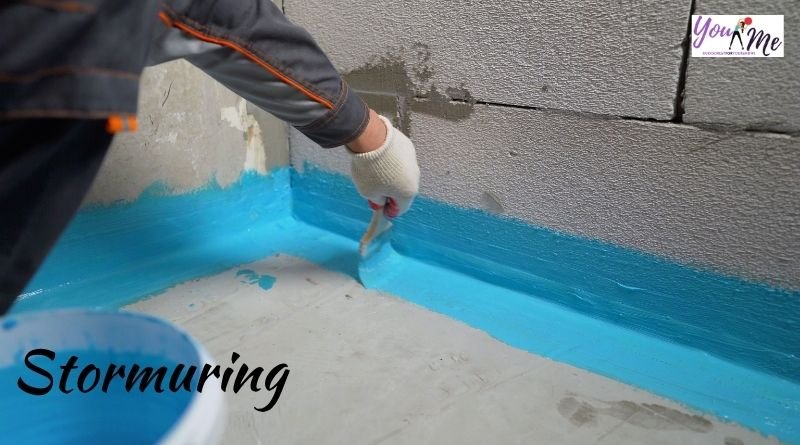
Stormuring is a waterproof mortar used to repair, seal, and strengthen masonry surfaces. It resists moisture, cracking, and weather damage better than standard mortar mixes.
What Is Stormuring
Stormuring is a fiber-reinforced, waterproof mortar system built for demanding construction and repair work.
- Comes from the Scandinavian brand Hey’di, sold as a ready-mixed dry mortar
- Designed for masonry repair, waterproofing, and structural strengthening
- Combines sand, cement, microfibers, and water-resistant additives in one pre-measured bag
- Just add water and apply — no complex on-site mixing required
It works on brick, concrete, stone, and lightweight blocks, which makes it useful for both new builds and renovation projects.
Where the Name Comes From
- The term comes from Hey’di’s branded product line for weatherproof masonry repair
- It is widely used across Northern Europe, especially in regions with heavy rain, frost, and damp conditions
- Renovation guides and contractor resources picked up the name, and it has since become a general reference term for this type of mortar
What Makes Stormuring Different From Regular Mortar
Standard mortar is just sand, cement, and water. Stormuring adds extra components that change how it performs over time.
- Microfibers – spread through the mix to stop cracks from spreading
- Waterproofing additives – reduce how much moisture the surface absorbs
- Bonding agents – help the mortar grip old, dry, or uneven surfaces
- Flexible curing – stays slightly flexible instead of turning brittle
Key Ingredients in the Mix
- Sand and cement (the base layer, same as standard mortar)
- Synthetic microfibers (structural reinforcement)
- Lime-cement binders (improves flexibility)
- Water-repelling chemical additives (blocks moisture penetration)
How Stormuring Works
Once mixed with water and applied, stormuring goes through two main processes that give it an edge over plain mortar.
Fiber Reinforcement Explained
- Fibers act like a net spread across the material
- They absorb small stress points that would otherwise turn into cracks
- The surface stays intact even as it dries and shrinks slightly
Waterproofing Explained
- The additive layer blocks rain and groundwater from soaking through
- At the same time, it lets trapped moisture inside the wall escape
- This breathing effect helps stop mold and damp patches from building up behind the surface
Where Stormuring Is Used
Common application areas include:
- Basement walls and foundations
- Exterior facades exposed to rain and wind
- Retaining walls
- Brick and stone garden features
- Renovation of old or damaged masonry
- Coastal properties exposed to salt air and storms
Benefits of Using Stormuring
- Strong adhesion to old, dry, or uneven surfaces
- Can be applied thin (a few millimeters) or thick (up to 8–10 cm) without sagging
- Resists freeze-thaw cycles, heavy heat, and driving rain
- Reduces the number of separate products needed on a job, since it works as mortar, plaster, and repair filler in one
- Long-term durability lowers the need for repeat repairs
Limitations to Consider
- Costs more upfront than basic cement mortar
- Needs proper surface preparation — a clean, stable base — to bond correctly
- Not always necessary for small, low-moisture indoor jobs
- Availability may be limited outside Northern Europe or import-friendly markets
- Requires following mixing ratios closely so the fiber and additive balance works as intended
When Not to Use It
- Purely decorative indoor work with no moisture exposure
- Very small patch jobs where standard filler already does the job
- Tight-budget projects with no long-term durability requirement
How to Apply Stormuring the Right Way
- Clean the surface fully — remove dust, loose material, and old flaking mortar
- Dampen the surface slightly before application for better bonding
- Mix with water according to the product ratio, using a drill mixer for larger jobs
- Apply in even layers, working from the bottom up
- Smooth or texture the surface before it starts to set
- Allow full curing time before exposing the area to heavy rain or frost
Stormuring vs Traditional Mortar
| Traditional Mortar | Stormuring |
|---|---|
| Sand, cement, and water only | Sand, cement, fibers, and waterproofing additives |
| Prone to shrinkage cracks | Fiber layer resists cracking |
| Absorbs water like a sponge | Blocks water while still allowing the wall to breathe |
| Best suited to thin layers | Works from a few millimeters up to 8–10 cm |
| Shorter lifespan in wet climates | Built for long-term weather exposure |
Choosing the Right Stormuring Product
Not every stormuring mix is identical. Manufacturers usually offer a few variations depending on the job.
- Repair grade – thicker consistency, used for patching cracks and damaged sections
- Render grade – smoother finish, used for full-wall facade coatings
- Foundation grade – higher waterproofing ratio, used below ground level
- Fine-finish grade – lower fiber visibility, used where appearance matters more than raw strength
Checking the product label for intended use (above-ground vs below-ground, structural vs cosmetic) helps avoid buying the wrong grade for the job.
Storage and Handling Tips
- Keep bags sealed and stored in a dry area before use
- Avoid storing near ground level in damp sheds, since the dry mix absorbs ambient moisture
- Use within the manufacturer’s shelf-life window — old stock can lose some of its bonding strength
- Mix only the amount needed for immediate use, since prepared stormuring begins curing once water is added
Cost and Value Over Time
Stormuring usually costs more per bag than standard mortar, but the comparison looks different over a longer timeline.
- Standard mortar may need reapplication every few years in wet or coastal climates
- Stormuring’s crack resistance and waterproofing reduce how often repairs are needed
- Fewer repeat jobs mean less labor cost over the lifespan of a wall or foundation
- For short-term or indoor projects with no moisture exposure, the extra cost may not be justified
What is stormuring made of? A mix of sand, cement, synthetic fibers, and waterproofing additives.
Can stormuring be used indoors? Yes, though it delivers the most value in areas exposed to moisture or weather stress.
Is stormuring the same as regular mortar? No. Regular mortar lacks the fiber reinforcement and waterproofing chemicals that stormuring includes.
How thick can a stormuring layer be applied? From a few millimeters up to around 8–10 centimeters in a single application.
Does stormuring work in cold climates? Yes. It is built to handle freeze-thaw cycles, which is one of its main selling points in Northern European markets.
Final Thoughts
Stormuring is not a replacement for every construction material, but for jobs facing water exposure, cracking risk, or old masonry repair, it solves problems that plain mortar struggles with.
- Better long-term durability
- Fewer repeat repairs
- One product doing the job of several
For anyone planning a renovation, basement seal, or exterior repair in a wet climate, stormuring is worth considering over a standard cement mix.